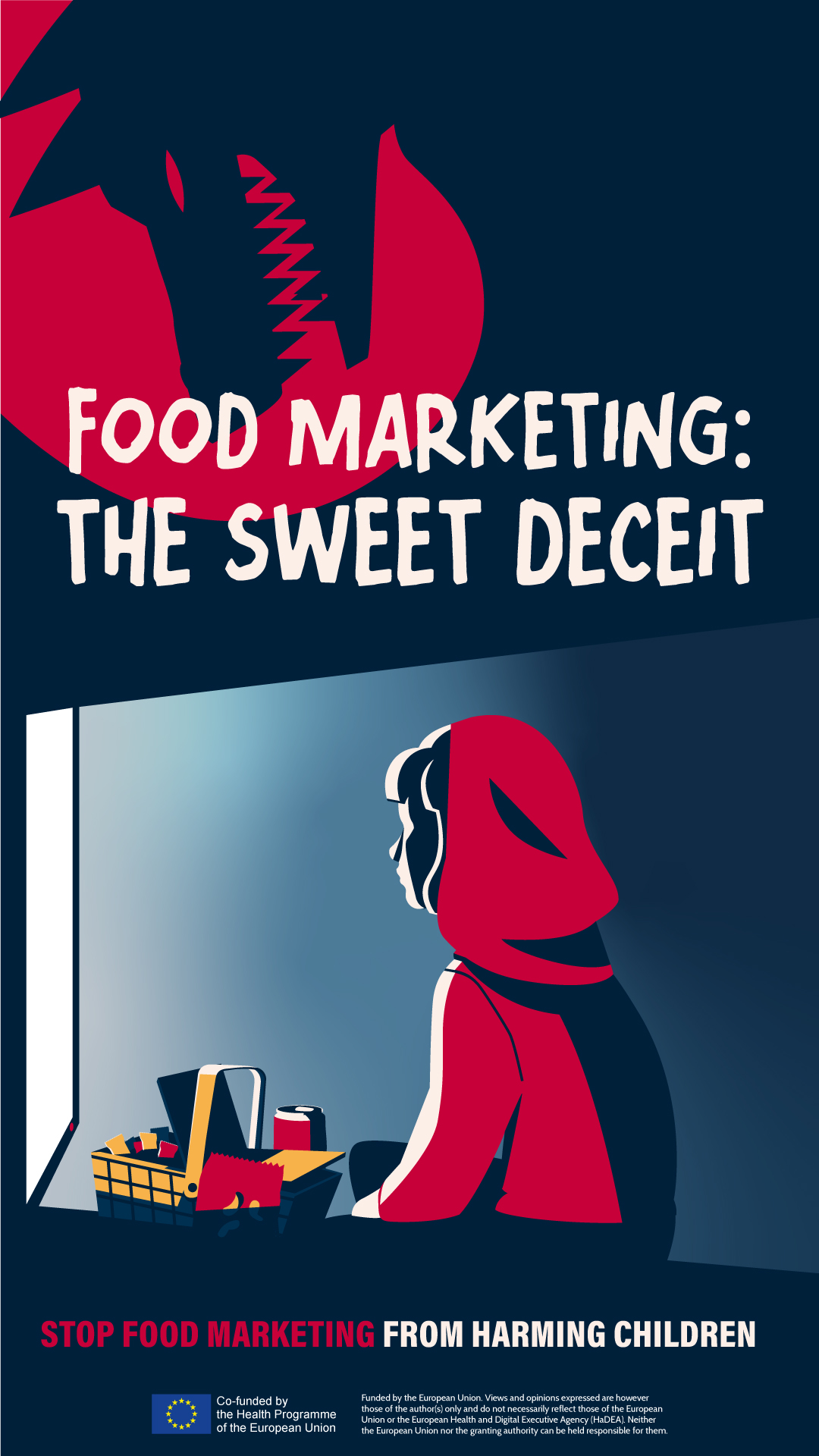
Some countries have already taken the lead in protecting our kids by passing or proposing legislation to regulate marketing exposure.
SPAIN
SPAIN - The Spanish Ministry of Consumer Affairs has launched a public consultation on its Draft Royal Decree on advertising of food and beverages aimed at children and teenagers. The regulation will restrict the advertising, regardless the nutritional content, of five categories of products: chocolate and sugar confectionary products (i.e. energy bars, sweet toppings and dessert), cakes, biscuits and other pastry products; juices; energy drinks and ice creams.
“Children are vulnerable consumers and we have an obligation to protect them from advertising”, said the Spanish Minister of Consumer Affairs.
FRANCE
Since 2016 any commercial in public television programmes and websites aimed at children under 12 years old have been restricted. Unhealthy foods and beverages are included. Furthermore, all television advertising food and beverages must be accompanied by a “healthy” message based on the institute’s nutrition education principle.
SWEDEN
Since 1990s, there is a general ban on television advertising for all kinds of products during programmes aimed at children under 12 years old.
PORTUGAL
The Portuguese government restricted unhealthy food and beverages advertising in both online and audiovisual channels, during the previous and posterior 30 minutes to programmes for children, as in TV programmes with a minimum on 25% audience under 16 years old or in movie theatres, publications, interest and mobile applications.
National attempts to protect kids from unhealthy food marketing could eventually hinder the single market. Moreover, it shows the member states’ willingness to further regulate food advertising and safeguard the minors. The European Union could harmonize these national efforts with the Food Marketing Directive